
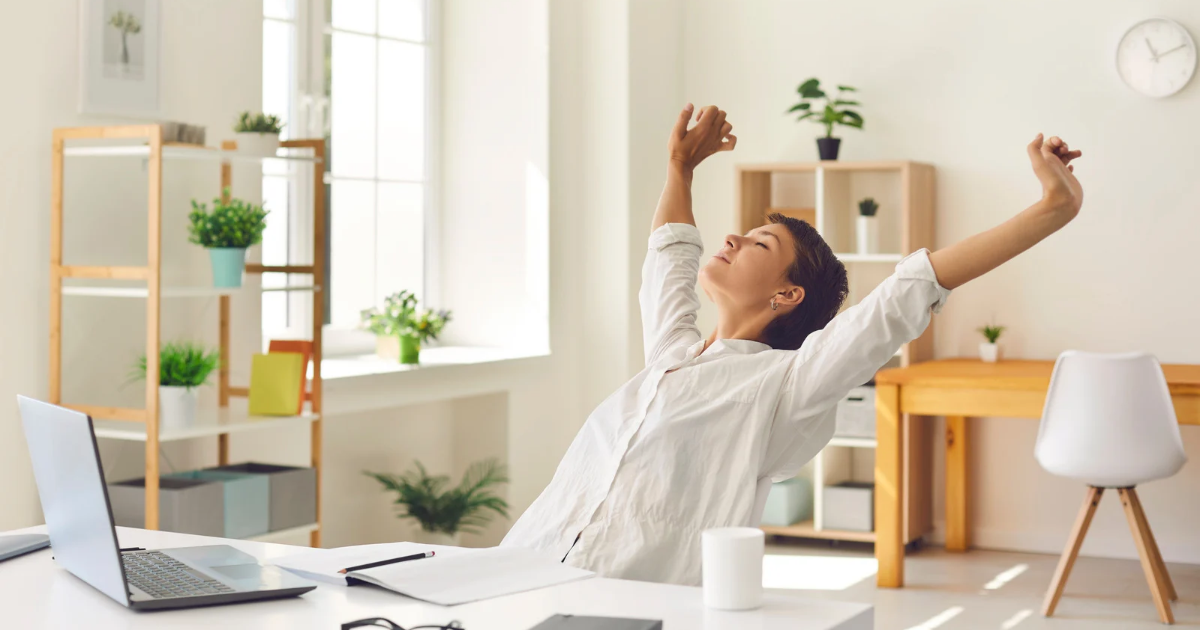
Why desk stiffness builds up
How sitting changes hips, spine and ankles
When you sit for extended periods, your hips often stay in a shortened position, your thoracic spine may become less mobile, and your ankles may move less frequently. Over time, this can make standing, walking and exercising feel stiffer or less fluid.
Why desk stiffness matters for skiing and everyday movement
Good movement is not only about flexibility. Skiing, walking and Pilates all require coordination between your core, hips, knees and ankles. If certain areas feel restricted, other areas may compensate, which can affect balance, control and comfort.
How Classical Pilates can help
Core control and alignment for desk-based bodies
Pilates focuses on controlled movement, breath and alignment. These principles can help you notice when you are slumping, holding tension or moving from compensation patterns rather than from a supported centre.
Hip, thoracic spine and ankle mobility for better posture
A balanced Pilates session may include movements that encourage hip mobility, spinal articulation and ankle awareness. The goal is not to force a stretch, but to help joints move with more ease and control.
Breath and tension release for stress-related stiffness
Many people hold tension in the neck, shoulders and jaw during busy workdays. Coordinated breathing and mindful movement can help reduce unnecessary tension and make it easier to reset between tasks.
Simple movement breaks for desk stiffness
3–5 minute micro-breaks you can do at work
Try setting a reminder to stand up every 45–60 minutes. Simple options include standing hip circles, gentle thoracic rotations, calf raises, shoulder rolls and a few slow breaths.
Posture awareness cues during the workday
Useful cues include: “sit tall without gripping,” “soften the shoulders,” “let the ribs move with the breath,” and “feel both feet supported on the floor.” Small resets throughout the day can be more sustainable than one long stretch session.
How to combine breaks with regular Pilates classes
Micro-breaks help you stay aware during the day, while regular Pilates gives you structured time to build strength, mobility and coordination. Together, they can support more comfortable movement both at work and outside it.
A simple weekly plan for desk workers
2–3 Pilates sessions plus daily micro-breaks
For many desk-based clients, two to three Pilates sessions per week, combined with short daily movement breaks, can be a realistic starting point. The ideal frequency depends on your schedule, goals and current comfort level.
When to consider private or small-group sessions
If you have specific postural habits, recurring discomfort or a goal such as preparing for ski season, a private session can help tailor exercises to your needs. Small-group classes can also provide structure and accountability.
Next steps at Flex Studio
Private sessions for posture and movement assessment
A private session allows an instructor to observe how you move and suggest exercises that suit your body and goals.
Corporate wellness options for teams
For teams that spend long hours at desks, corporate wellness sessions can introduce practical movement strategies that support posture, focus and recovery.
Book Now @ Hong Kong Central Studio
Book Now @ Hong Kong One Island South Studio
View Promotions (Hong Kong)
Book Now @ Singapore Orchard Road Studio
View Promotion (Singapore)