
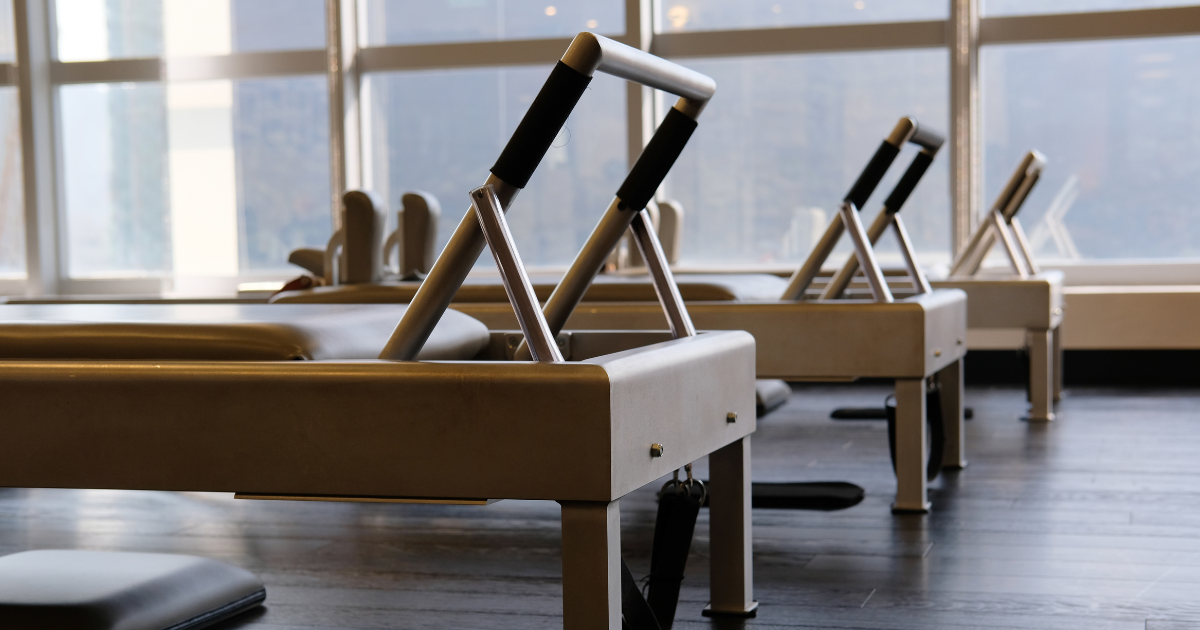
Flex Studio is a Gratz Gallery Classical Pilates studio in Hong Kong (Central and One Island South) and Singapore (Orchard, Palais Renaissance). Our Reformers, Towers, Wunda Chairs and Barrels are Gratz — handcrafted to Classical dimensions used since 1929. The method’s precision needs true resistance and alignment, which you can feel in a Private Assessment.
Classical Pilates was designed for a specific apparatus — not “any Reformer”
What makes Gratz different
What Gratz Gallery means at Flex
Walk our rooms — Reformer, Tower, Wunda Chair and Barrel
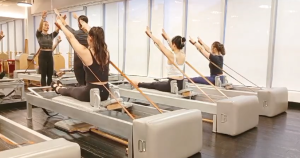
Reformer
The Reformer — often a first contact with spring work — not a cardio platform, but the moving map of the method. Flex’s Gratz Reformers keep resistance and carriage path consistent with the sequence. Group Reformer classes are capped at four people, so there is room for real coaching.
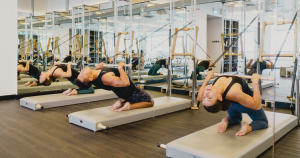
Tower
The Tower — including tower wall units, offers spring resistance from another orientation. You may work lying, sitting or standing, as the spine and limbs organise through a full range.
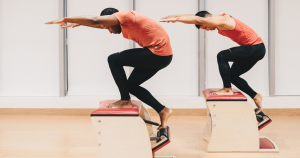
Wunda Chair
The Wunda Chair — compact, honest and demanding. Balance, centre and spring control have to arrive together. It quickly shows whether a movement comes from the middle or from momentum.
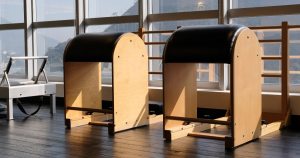
Barrels
Barrels — including the Ladder Barrel, supports curves, extension and organised flexibility, so the spine moves with strength rather than collapse or strain.
These pieces work as a family. Flex also offers Apparatus classes of three to four people, using the Reformer, Barrel, Tower and Wunda Chair in one session. Private work can use the same room with closer attention.
Why Classical teachers care about the iron
A precise cue only works if the apparatus talks back correctly. When a teacher asks you to close the carriage with control, they listen to the spring as much as they watch your shape. If the spring is vague, correction becomes guesswork. Teachers are particular about Gratz because body, sequence and apparatus were designed together.
Try the difference — start with a Private Assessment
If you are new to Flex, or returning after time away, start with a Private Assessment. In about 55 minutes, an instructor observes how you move — typically on the Gratz Reformer, then on the Mat, and often on other apparatus — and points you toward Private, Reformer or Apparatus work. Beginners belong on authentic apparatus too: the springs are how the journey is taught, not a prize at the end of it.
To feel the work in person:
Read More: What is the right pilates class for you?
Frequently asked questions
What is Gratz Pilates equipment?
Handcrafted Classical apparatus — Reformer, Tower, Wunda Chair and Barrels — built to Joseph Pilates’ original dimensions and spring design, and made since 1929. At Flex, it is the equipment the method is taught on, not an optional upgrade.
Does Flex Studio use Gratz in both Hong Kong and Singapore?
Yes. The same Gratz Gallery standard applies at Central and One Island South in Hong Kong, and at Orchard, Palais Renaissance in Singapore.
Why does Classical Pilates prefer Gratz apparatus?
The method and its apparatus were designed together. Teachers rely on consistent dimensions and a true spring feel so cues and feedback stay honest.
Is Gratz only for advanced practitioners?
No. Authentic apparatus is how Classical Pilates is taught from the beginning. What changes as you progress is the depth of the work, not whether you are “allowed” on Gratz.