
From the 40s onward, food, nutrition and practice start to work together more clearly. Muscle and bone need steadier support, and a Classical Pilates session still asks for strength and control through the sequence. This article looks at how everyday eating can support that work at Flex Studio in Hong Kong and Singapore — not as a diet or a snack list for before class.
For timing around a session, see Flex’s existing guide on eating before and after Pilates. The focus here is midlife support on the Reformer, Mat and other apparatus. This is general information, not medical or dietary advice. If you have a condition or a plan from a qualified practitioner, follow that advice.
Why midlife changes how food, nutrition and practice work together
Classical Pilates does not become a different method after 40. What often changes is the body that arrives to practise it. Through midlife — and, for many women, through perimenopause and menopause — muscle can become harder to maintain, bone can need more regular loading and nourishment, and recovery can take a little longer.
The work still asks you to organise breath, keep the centre, and stay precise to the last exercise. Arriving very hungry or very full makes that harder. Food or nutrition cannot replace teaching. What it can do is help the body you bring to the studio stay capable of the work, week after week.
Protein as support for muscle
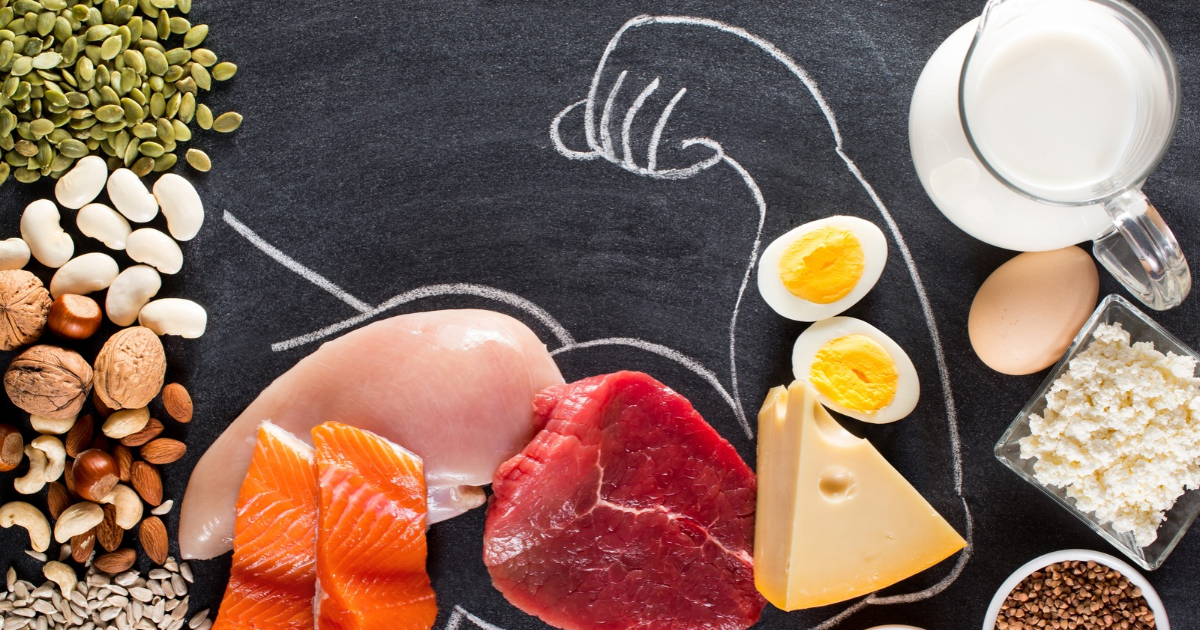
In Classical Pilates you stand in the springs, hold shapes, and move with control against resistance. After 40, many people need to be more deliberate about protein than they were when younger. This does not require a special diet. It usually means including a protein source in regular meals — fish, eggs, dairy, tofu, beans, or lean meat, according to how you already eat — rather than leaving most of it to one late plate.
Consistency matters more than a complicated plan. Protein at breakfast and lunch, not only at dinner, is easier to sustain. After a Private session or Assessment, a familiar meal with protein and carbohydrate can support recovery. If you have been told to limit protein, do not change your intake from an article.
Everyday habits that support bone health
This is not a guide to osteoporosis treatment, and Flex is not a clinic. Bone still responds to ordinary habits. Include calcium-rich foods most days — dairy, calcium-set tofu, small fish with edible bones, or fortified alternatives — as part of a varied diet. Vitamin D, from safe sunlight, food, or advice already given by your practitioner, also plays a part. This article does not prescribe doses.
Keep arriving for intelligent, load-bearing movement. Classical Pilates on apparatus gives the body resistance and precise organisation. It is not a guarantee against bone loss, or a substitute for care you have already been advised to seek. Avoid repeated very low eating, long stretches of immobility, and smoking. If you already have low bone density, a fracture history, or a care plan, tell the studio when you book.
How this fits with a Classical Pilates session
A Classical class or private is precise, controlled work, not a long cardio session. The sequence is taught in a considered order: each exercise prepares the next. Eating well after 40 helps you maintain strength and focus throughout the sequence, and supports recovery afterwards.
Come in nourished enough to work with control — not heavy, not empty. After the session, eat something that includes protein and carbohydrate. On the Reformer, the springs ask you to organise effort. On the Mat, fatigue shows sooner if you have arrived depleted.
In a Private Assessment, your teacher can also pace the work to how your body feels that day. Food and nutrition supports that work, but it does not replace the teaching. If you are new to Flex, or returning after time away, start here.
Start with a Private Assessment
The same Assessment ritual is used in Hong Kong and Singapore: about 55 minutes, Classical observation, then direction into Private, Reformer or Apparatus practice.